If you’re in a business that deals with wood, paper, or packaging—whether you’re a manufacturer, retailer, or supplier—you’ve probably come across the term “FSC.” But what exactly does FSC mean, and why is it becoming increasingly important for businesses worldwide? In this guide, we’ll break down the basics of FSC, its core principles, and the compelling reasons your business should pay attention.
What Is FSC? Understanding the Forest Stewardship Council
FSC stands for the Forest Stewardship Council—an international non-profit organization founded in 1993 with a mission to promote responsible forest management. The FSC sets global standards for how forests are managed, ensuring that timber, paper, and other forest products come from sources that are environmentally sustainable, socially beneficial, and economically viable.
At its core, FSC certification is a label that tells consumers and businesses: “This product comes from a forest that is managed responsibly.” To earn FSC certification, forest managers must meet strict criteria, including:
- Protecting biodiversity and ecosystems (e.g., preserving endangered species’ habitats)
- Respecting the rights of indigenous communities and forest workers
- Ensuring transparency in the supply chain
- Avoiding deforestation and illegal logging
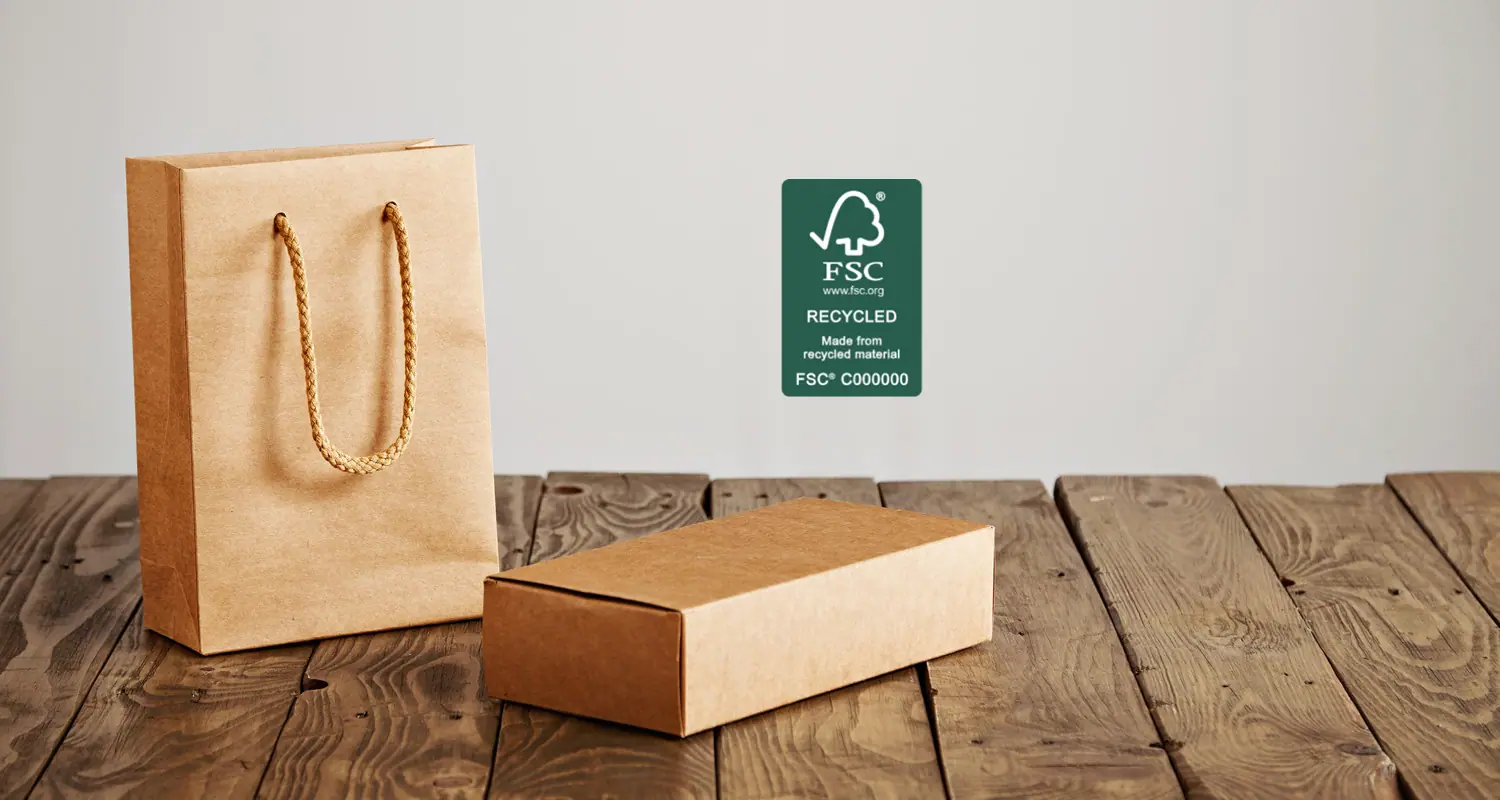
FSC certification isn’t just for forests, though. It extends to the entire supply chain, from harvesting to manufacturing and distribution. This means products labeled with the FSC logo have been tracked through every step to guarantee their responsible origin.
Why Should Your Business Care About FSC?
Now that you know what FSC is, let’s explore why it matters for your business. From consumer demand to regulatory compliance, FSC certification offers tangible benefits that can boost your bottom line and reputation.
1. Meet Growing Consumer Demand for Sustainable Products
Today’s consumers are more environmentally and socially conscious than ever. Studies show that 73% of global consumers are willing to pay more for products from sustainable brands, and this trend is only accelerating. By using FSC-certified materials, your business can tap into this demand.
The FSC logo is globally recognized, acting as a trust signal for eco-aware shoppers. Whether you sell furniture, printed materials, or packaging, displaying the FSC label can differentiate your products in a crowded market and attract customers who prioritize sustainability.
2. Stay Compliant with Regulations
Governments worldwide are cracking down on illegal logging and unsustainable forestry practices. For example, the European Union’s Timber Regulation (EUTR) requires businesses to prove their wood products don’t come from illegal sources. Similarly, the U.S. Lacey Act prohibits the trade of illegally harvested plants and wildlife.
FSC certification simplifies compliance with these regulations. By using FSC-certified materials, you can demonstrate that your supply chain is legal and sustainable, reducing the risk of fines, recalls, or reputational damage.
3. Protect Your Brand Reputation
In an era of social media and instant information, a single scandal—like being linked to deforestation or labor abuses—can devastate a brand. FSC certification helps safeguard your reputation by showing stakeholders (consumers, investors, partners) that you’re committed to ethical practices.
Many large corporations, from IKEA to Unilever, now require their suppliers to use FSC-certified materials. By getting certified, your business can qualify for partnerships with these industry leaders, opening up new opportunities for growth.
4. Support Long-Term Supply Chain Stability
Unsustainable forestry practices threaten the future of wood and paper supplies. Deforestation, illegal logging, and habitat destruction can lead to resource scarcity, driving up costs and disrupting production.
FSC-certified forests are managed to ensure long-term viability. By sourcing from these forests, your business contributes to a more stable supply chain, reducing the risk of shortages and price fluctuations down the line.
How Does FSC Certification Work for Businesses?
If you’re considering FSC certification, here’s a quick overview of the process:
- Assess Your Supply Chain: Determine where your materials come from and whether they meet FSC standards.
- Choose a Certification Body: Work with an FSC-accredited third party to audit your supply chain.
- Implement Changes: If gaps are found, adjust your sourcing or processes to meet FSC requirements.
- Earn Certification: Once approved, you can use the FSC logo on your products and marketing materials.
The process varies depending on your business size and industry, but many companies find that the long-term benefits—from increased sales to improved partnerships—outweigh the initial investment.
As a factory specializing in producing paper bags and cartons, we hold FSC certification. If you need FSC-certified paper bags or cartons, feel free to Contact Us—we’re ready to meet your sustainable packaging needs.
Final Thoughts: FSC Is More Than a Label
FSC isn’t just a certification; it’s a commitment to a more sustainable future. For businesses, it’s a strategic tool to meet consumer demands, comply with regulations, protect your brand, and ensure supply chain stability.
As sustainability becomes a non-negotiable for consumers and regulators alike, FSC certification is no longer optional—it’s a smart business move. Whether you’re a small local business or a global corporation, embracing FSC can help you thrive in a world that values responsibility.