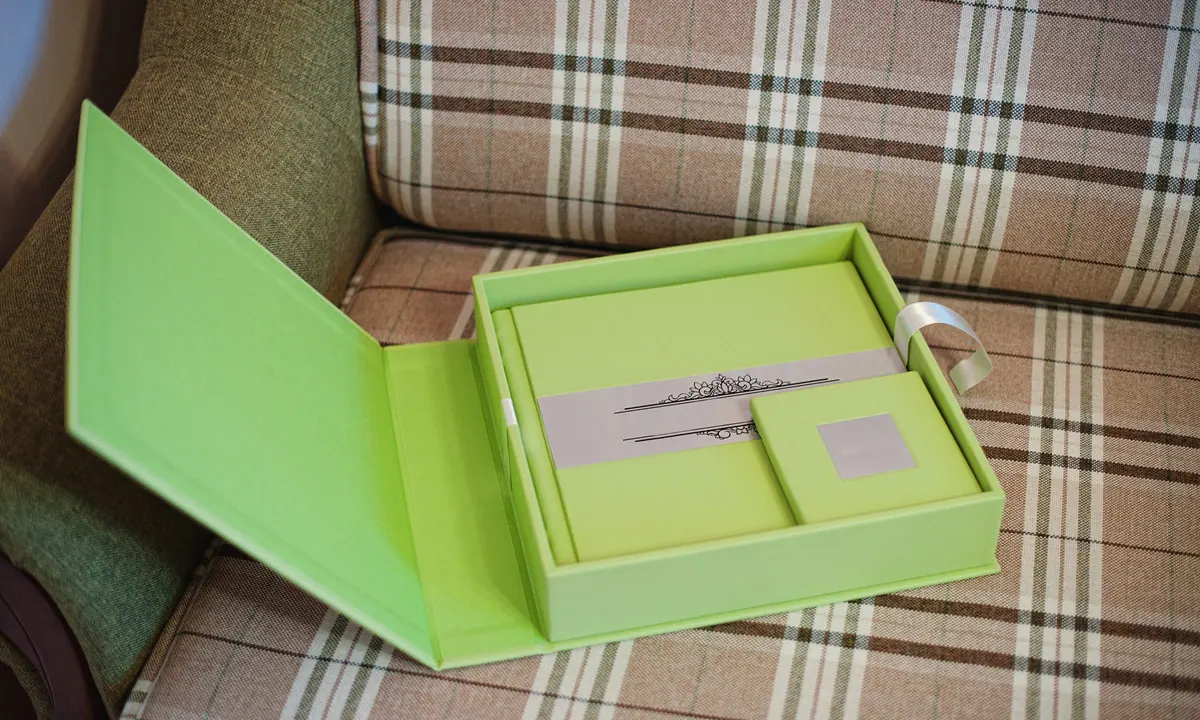
Have you ever received a gift in a beautifully crafted box and wondered how it was made? A high-quality gift box does more than protect its contents; it elevates the entire gifting experience, communicating a sense of luxury, care, and anticipation. But the journey from a simple idea to a finished, elegant box is a meticulous process involving design ingenuity, precise engineering, and skilled craftsmanship.
Let’s unwrap the detailed stages of the gift box production workflow to appreciate the artistry and technology that go into creating these stunning packages.
1. The Blueprint: Design and Pre-Press
Every great gift box begins with a great design. This initial stage is a creative and technical collaboration to ensure the final product is beautiful and functional.
- Structural Design: Engineers design the box’s physical structure before any colours or logos are considered. They create a 3D model and a 2D dieline—a flat template showing all the cuts, creases, and folds. This blueprint must be perfect to ensure the box assembles correctly and is strong enough to hold the product securely.
- Graphic Design and Branding: Graphic designers work their magic once the structure is set. This involves applying branding elements, colour palettes, typography, and imagery to the dieline. A crucial consideration here is the “unboxing experience”—how the recipient will interact with the box from the moment they receive it.
- Pre-Press and Prototyping: The finalised digital files are then sent to the pre-press department. Here, technicians meticulously check for potential printing issues, ensure colour accuracy (often using the Pantone Matching System), and prepare the files for the printing plates. A physical prototype or “mock-up” is usually created at this stage. This sample allows the client to see and feel the box, test its functionality, and approve the design before mass production begins.
2. The Foundation: Material Selection and Preparation
The choice of materials is fundamental to the quality and feel of the final gift box.
- Substrate Selection: The core of a premium gift box is typically a rigid material like greyboard or chipboard, which provides strength and durability. The thickness of this board is carefully selected based on the weight and size of the product it will hold.
- Covering Paper: The exterior is then wrapped in a covering paper. This can range from simple colored art paper to more luxurious options like textured, foil, or fabric-like materials.
- Die-Cutting and Scoring: The chosen rigid board and covering paper are then cut to the precise shapes needed using a process called die-cutting. A custom-made steel die cuts the material like a cookie-cutter. At the same time, the board is scored—indented along the fold lines—to ensure clean, sharp creases for easy and precise assembly.
3. Bringing the Design to Life: Printing and Surface Finishing
This is where the box’s visual identity truly comes to life.
- High-Fidelity Printing: For most large-scale productions, offset printing is the preferred method. It delivers crisp, high-quality images and consistent colour accuracy across thousands of sheets. Digital printing may be used for smaller runs or when variable data is needed.
- Surface Treatments and Embellishments: After printing, various finishing techniques can be applied to the cover paper to enhance its look and feel. These include:
- Lamination: A thin plastic film (either gloss, matte, or soft-touch) is applied to protect the print from scuffs and moisture while adding a premium tactile feel.
- Foil Stamping: A metallic or pigmented foil is applied using heat and pressure to create eye-catching, reflective details.
- Embossing & Debossing: These processes create raised (embossed) or indented (debossed) impressions in the paper, adding a three-dimensional texture to logos or patterns.
- Spot UV Varnish: A glossy varnish is applied to specific areas to create a striking contrast with a matte background.
4. The Grand Assembly: Box Forming and Wrapping
With all the components prepared, the intricate process of assembly begins.
- Glueing and Wrapping: Precision is paramount here. Adhesive is evenly applied to the printed and finished cover paper. This paper is then carefully aligned and wrapped around the die-cut rigid board pieces. Modern automated machinery often handles this step, using cameras and sensors to ensure perfect alignment and a smooth, bubble-free finish.
- Box Construction: The wrapped boards are then expertly folded and constructed into the final three-dimensional shape of the box lid and base. Corners are often reinforced for added strength and a seamless look.
5. The Finishing Touches: Internal Component Integration
The inside of the box is just as important as the outside for protecting and presenting the product.
- Insert Manufacturing: Custom inserts or trays are created to securely hold the product. These can be made from various materials, including paperboard, foam, or moulded plastic, depending on the product’s fragility and value.
- Fit and Functionality Testing: Each insert is rigorously tested to ensure a snug fit within the box and to confirm that it holds the product securely, preventing movement during shipping.
- Installation: Once approved, the inserts are carefully placed and secured inside the assembled boxes.
6. The Final Scrutiny: Quality Control and Inspection
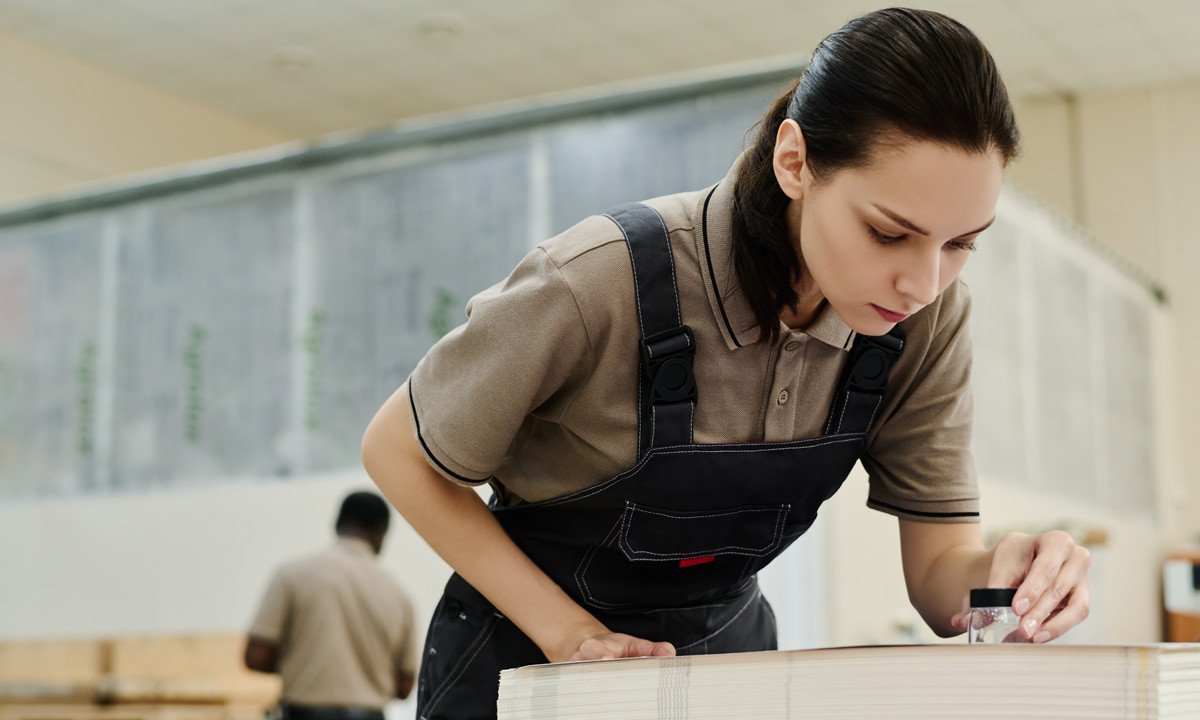
Before any box is cleared for shipping, it undergoes a final, thorough inspection. Quality control teams meticulously check each box individually for defects, such as misaligned wrapping, colour inconsistencies, glue marks, or structural imperfections. Only boxes that meet the highest standards are passed.
7. Ready for the World: Packaging and Shipping
The journey concludes as the finished gift boxes are carefully packed into protective master cartons. These cartons are designed to withstand the rigours of transportation, ensuring the pristine boxes arrive at their destination in perfect condition, ready to create a memorable experience for the end recipient.
From a simple concept to a tangible object of delight, the gift box production process is a testament to precision, quality, and the art of presentation.